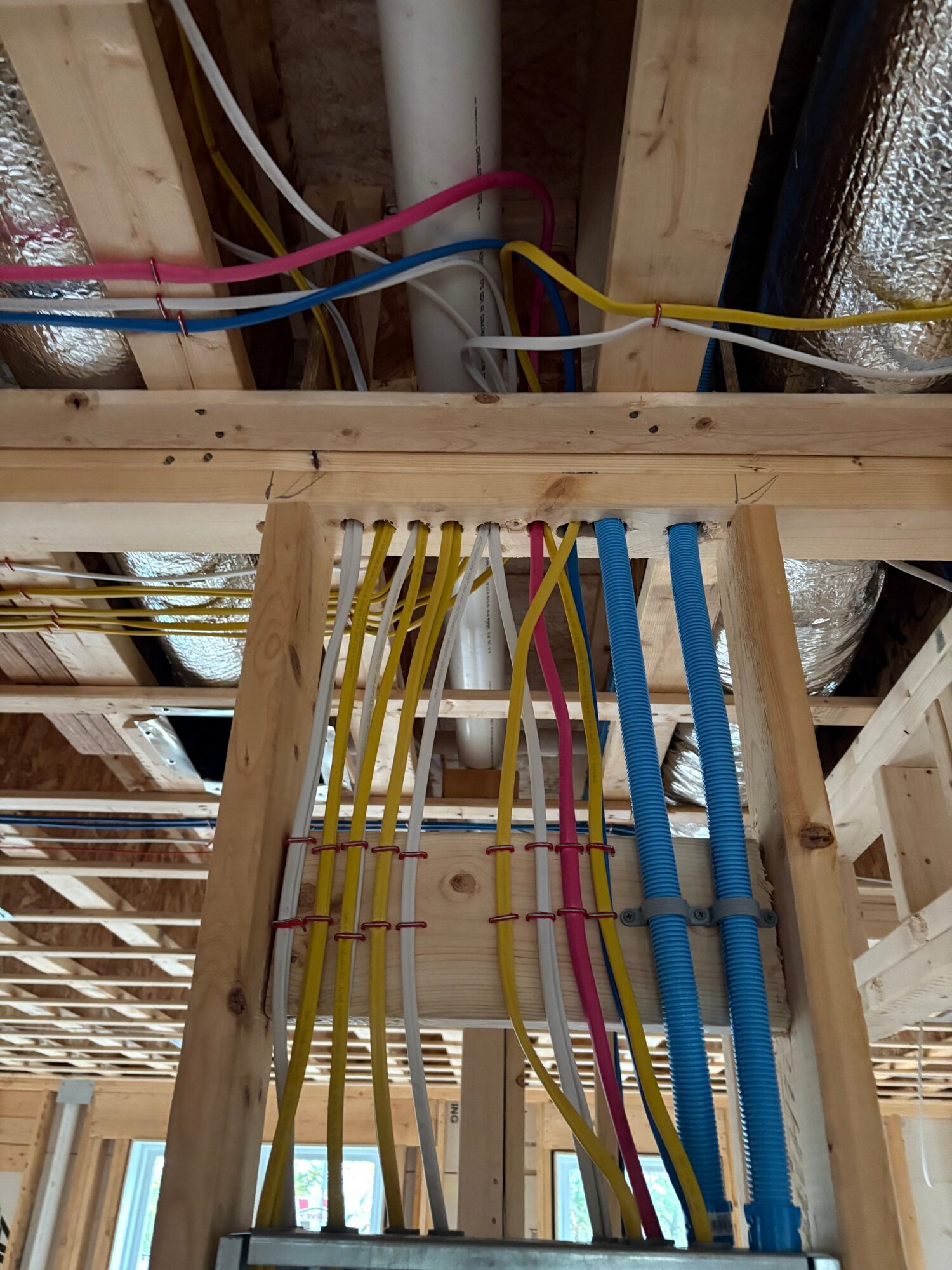
An electrical panel upgrade in Massachusetts usually falls in the range of [PRICE RANGE: confirm with Darel], depending on the panel size, how much of the service entrance has to change, and whether the panel is moving. The number you actually pay depends on your home, your town, and what we find once the wall is open. Here is how to think about the cost the right way.
Most homes in Melrose, Malden, and Medford were wired decades ago for a lamp, a radio, and a fridge. Today it is a heat pump, two laptops, an induction range, and maybe an EV in the driveway. If your panel can not keep up, the fix is a licensed electrician pulling a permit and installing a modern panel sized for how you actually live.
Quick Answer: Typical Panel Upgrade Costs [PRICE RANGE: confirm with Darel]
A straight panel swap, where the box stays in the same spot and the service size does not change, is the lower end. A full 200-amp service upgrade, with a new meter socket and service entrance cable, costs more. The range below covers the common jobs we see on the North Shore.
- Panel replacement (same amps, same location): [PRICE RANGE: confirm with Darel]
- 100 to 200 amp service upgrade: [PRICE RANGE: confirm with Darel]
- Upgrade plus moving the panel to a new wall: [PRICE RANGE: confirm with Darel]
These are starting points, not quotes. We give you a clear, written price after we look at the job. If you want to know what your home needs, see our panel and service upgrade page or just call us.
Not sure what your home needs? Darel will tell you straight. Call 24/7: (978) 758-0472
What Affects the Cost of a Panel Upgrade
No two homes cost the same because no two homes are the same. These are the factors that move the number up or down.
Panel Size (100 vs 200 Amp)
A bigger panel and more amps mean heavier wire, a bigger box, and sometimes a larger meter socket. Going from 100 to 200 amps is the most common upgrade we do, because it covers a heat pump, an EV, and a normal family's load with room to spare.
Replacing the Service Entrance and Meter
A service upgrade is not just the panel. It includes the service entrance cable, the meter socket, and the grounding. If any of that is old or undersized, it gets replaced to meet current code, and that adds to the job.
Moving the Panel
Keeping the panel where it is costs less. Moving it to a new wall, a garage, or outside means new conduit, longer runs, and patching the old spot. Sometimes a move is required by code, like moving a panel out of a bathroom or clothes closet.
Permits and Inspection
In Massachusetts, the permit and the town wiring inspector's sign-off are part of the job. We pull the permit and follow up with the inspector so the work is on record and up to code. That cost is built into the price.
Utility Disconnect and Reconnect
For a service upgrade, the utility has to shut power off at the street and reconnect it after. In Melrose, Malden, Medford, Stoneham, Saugus, and Everett that is National Grid. We coordinate the disconnect and reconnect with the utility so you do not have to.
Code Updates Found During the Job
Old homes hide old wiring. Once the panel is open we sometimes find knob-and-tube, ungrounded circuits, or undersized wire that no longer meets code. Fixing those is extra, but we always tell you before we do it.
Panel Replacement vs. Full Service Upgrade: What's the Difference?
A panel replacement swaps the breaker box but keeps the same amperage and the same service entrance. A full service upgrade raises the amps, usually to 200, and replaces the meter socket and service cable too. If your panel is full but your service is fine, a replacement may be enough. If you are adding a heat pump or EV, you likely need the upgrade.
Signs Your Panel Needs an Upgrade
- Breakers trip often, especially when two things run at once
- Lights flicker or dim when the AC, dryer, or microwave kicks on
- The panel is warm to the touch, or you hear a low buzz
- You still have a fuse box instead of breakers
- There are no open slots left for new circuits
- You smell a faint burnt-plastic odor near the panel
Any of these is worth a look. An older panel that is not safe is worth having checked before it becomes an emergency. If you are seeing these signs, our 24/7 emergency electrician page has what to do next.
Upgrading for a Heat Pump, EV Charger or Addition
A heat pump, an EV charger, or a new addition all add load. If your panel is already near its limit, the upgrade is not optional, it is part of making the new equipment safe. We size the panel for what you have now plus what you are adding, so you do not do this twice. For more on the EV side, see our post on EV charger installation cost in Massachusetts.
How the Process Works, Step by Step
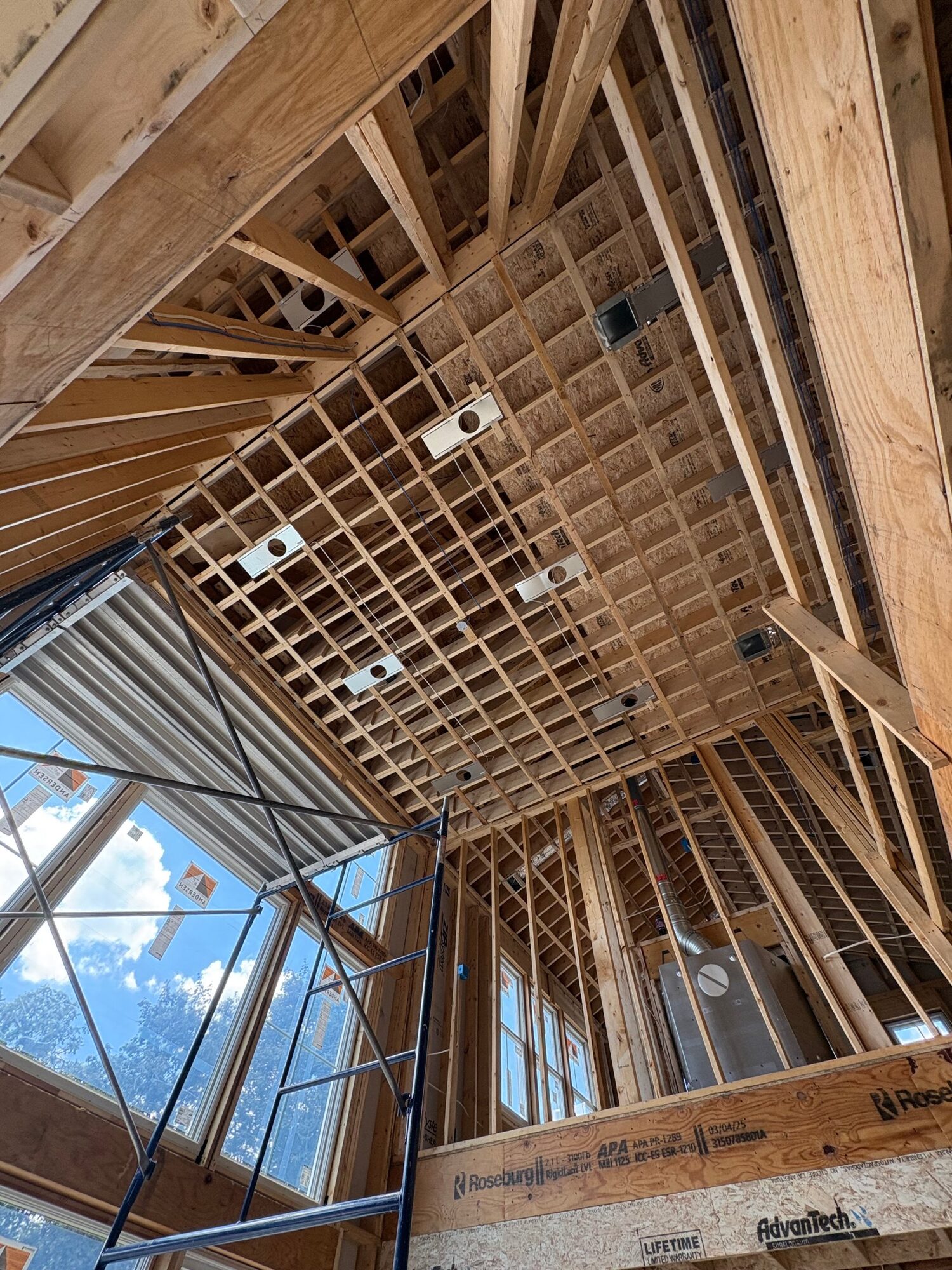
- Call. You call or send a request. We ask what you are seeing and what you are adding.
- Assess and price. We look at the panel, the service entrance, and the load, then give you a clear, written price.
- Permit and install. We pull the permit, coordinate the utility disconnect, and install the new panel and service entrance to code.
- Inspect. The town wiring inspector signs off, and we follow up to make sure it is on record.
FAQs
Is a permit required in Massachusetts for a panel upgrade?
Yes. In Massachusetts, a panel or service upgrade is electrical work that needs a permit from the town's wiring inspector. Only a licensed contractor can pull that permit. We handle the permit and the inspection on every upgrade we do.
How long is the power off during a panel upgrade?
The power is usually off for a few hours while the old panel comes out and the new one goes in. We tell you ahead of time how long to expect, and we work fast so your fridge and heat come back on the same day.
Does insurance care about old panels?
Some insurers ask about the age and type of your panel when you buy or renew a policy. Old fuse boxes and certain outdated breaker brands can be a red flag. An upgrade to a modern, inspected panel can help. Check with your agent for your specific policy.
Can I upgrade before buying a heat pump or EV?
Yes, and it is a smart move. A heat pump or EV charger may need more capacity than an old 100-amp panel can give. Upgrading first keeps your new equipment running safely and avoids a delay later.
Do you work in older triple-deckers?
Yes. Much of our work is in older North Shore triple-deckers, two-families, and early-1900s colonials in Melrose, Malden, and Medford. We know how to handle tight spaces, old wiring, and undersized services.