A Level 2 EV charger installation at home in Massachusetts usually runs in the range of [PRICE RANGE: confirm with Darel], before any rebates. The real number depends on how far the charger is from your panel, whether your panel has room, and whether it goes in a garage or outside. Here is how to plan for it the right way.
Most drivers want a Level 2 charger because it fills the battery overnight instead of over a whole day. The install is a dedicated 240-volt circuit, done by a licensed electrician with a permit and inspection. In Melrose, Malden, and Reading, that is the safe, code-compliant way to charge at home.
Quick Answer: Typical Installation Costs [PRICE RANGE: confirm with Darel]
The range below covers the common installs we do on the North Shore. Your job may sit at either end depending on the details below.
- Simple garage install, panel has room: [PRICE RANGE: confirm with Darel]
- Longer run or outdoor conduit: [PRICE RANGE: confirm with Darel]
- Install plus a panel or service upgrade first: [PRICE RANGE: confirm with Darel]
We give you a clear, written price after we look at the panel and where the charger will go. See our EV charger and generator installation page for the full picture.
Not sure what your home needs? Darel will tell you straight. Call 24/7: (978) 758-0472
Level 1 vs. Level 2 Charging: What You Actually Need
Level 1 is the cord that comes with the car, plugged into a regular outlet. It adds only a few miles of range per hour, so it works for a short commute but not for a full daily charge. Level 2 uses a dedicated 240-volt circuit and fills most cars overnight. For almost everyone who drives daily, Level 2 is the right call.
What Affects Installation Cost
The charger itself is one thing. The install is another. These are the factors that move the price.
Distance From the Panel
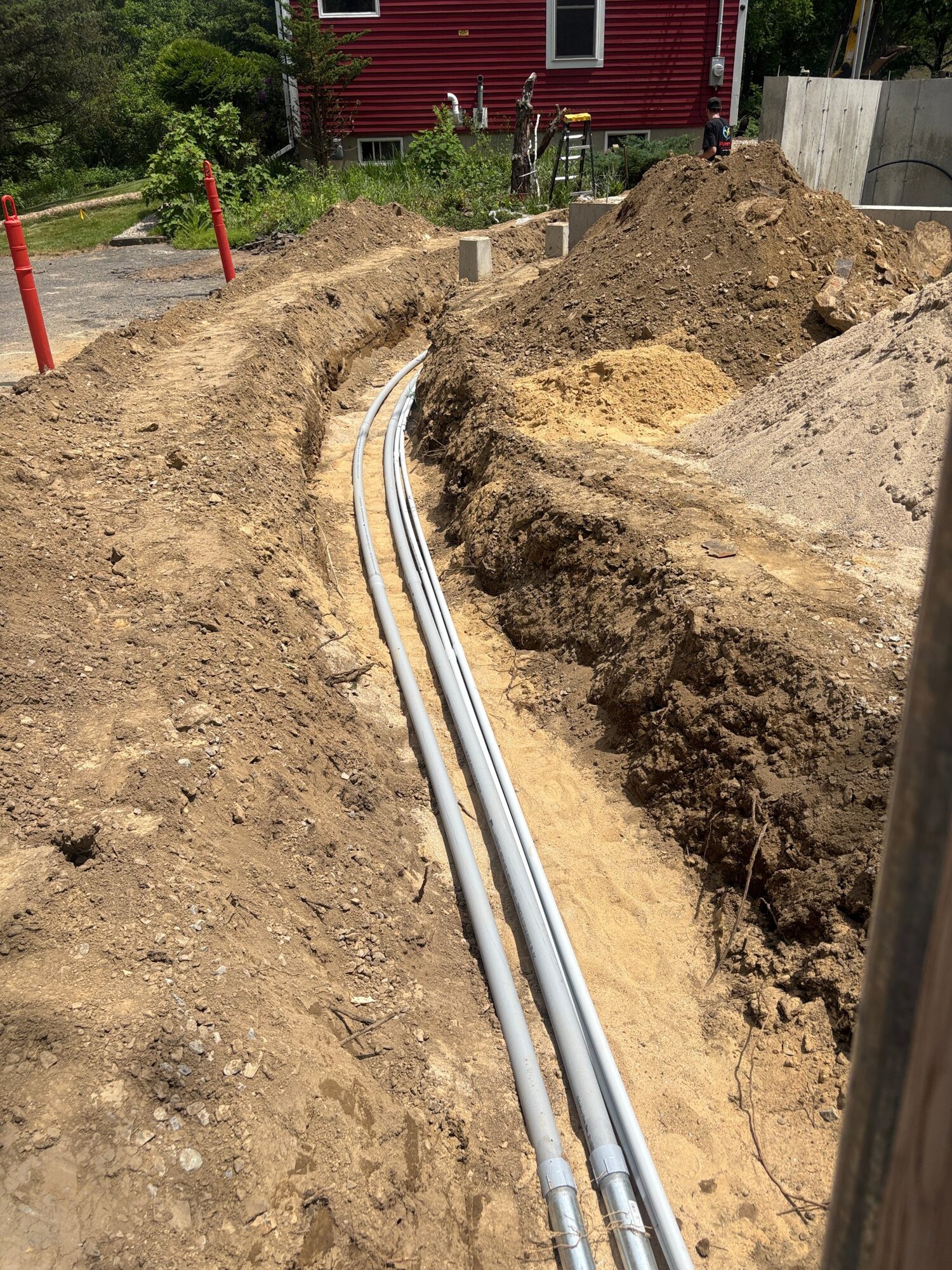
The farther the charger is from the panel, the more wire and conduit the job takes. A charger on the wall right next to the panel costs less than one on the far side of a two-car garage or out at the end of a driveway.
Panel Capacity and Open Slots
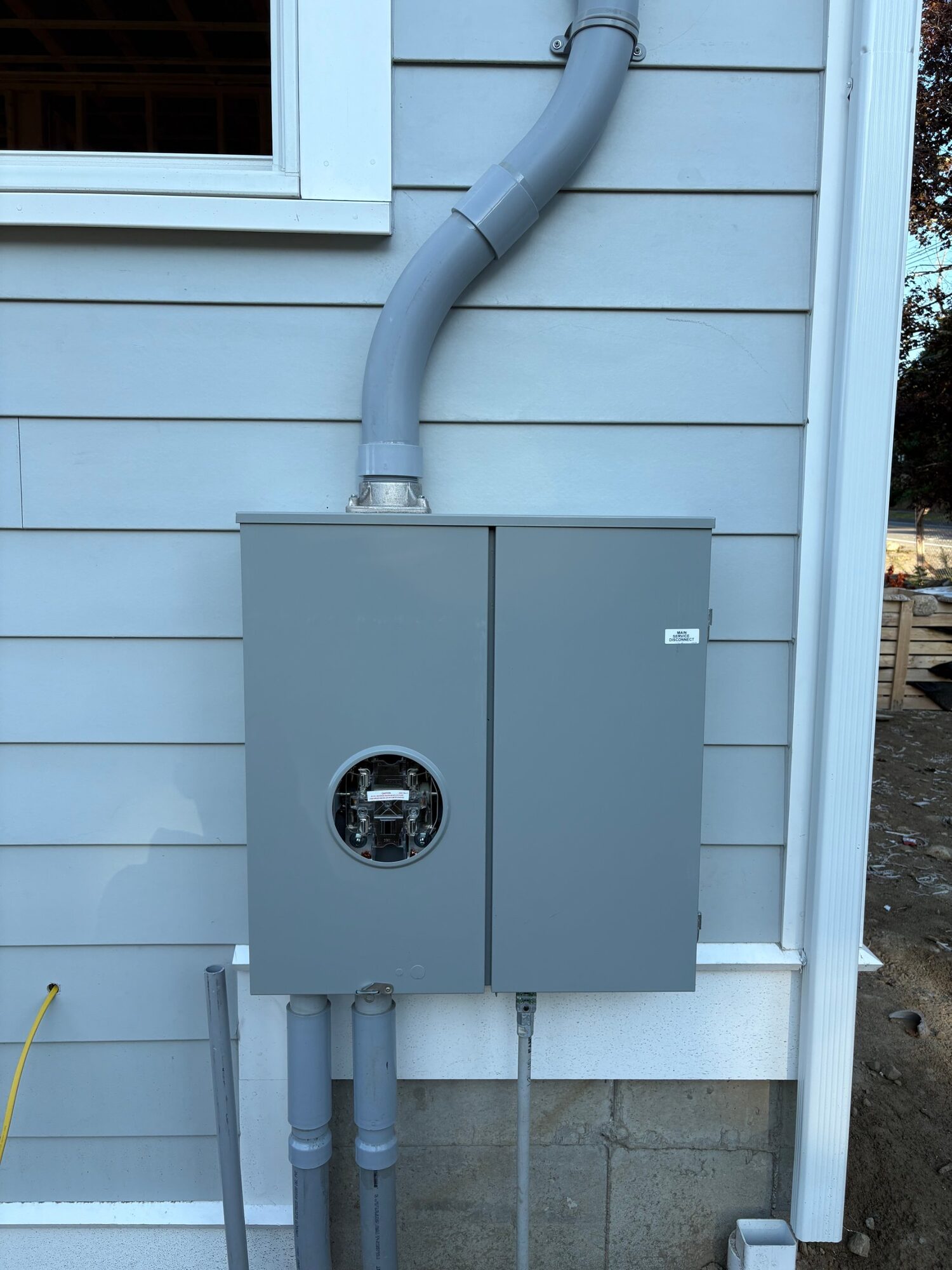
The charger needs a dedicated circuit and an open slot in the panel. If your panel is full or undersized, you may need a subpanel or a service upgrade first. That is common in older North Shore homes with 100-amp service.
Hardwired Charger vs. 240V Outlet
A 240V outlet (like a dryer outlet but rated for the charger) lets you plug in and swap chargers later. A hardwired charger is wired straight in and is often used outdoors or for higher-amp units. Both are code-compliant when done right.
Garage vs. Outdoor Install
A garage install is usually simpler and costs less. An outdoor charger needs a weather-rated unit, a proper enclosure, and conduit to protect the wiring. If you park in a driveway, outdoor is the way to go, and we set it up to last.
Permits
In Massachusetts, the charger circuit needs a permit and inspection. We pull the permit and follow up with the town wiring inspector so the work is on record and up to code.
Can Your Panel Handle an EV Charger?
A Level 2 charger adds a real load, often 30 to 50 amps. If your panel is a 100-amp service that is already running a heat pump, a dryer, and an electric range, it may not have the headroom. We do a quick load calculation and tell you straight. If you need more capacity first, see our panel upgrade page.
Utility Rebates and Programs
Utility and Mass Save programs for EV chargers change often, and the rules and eligibility shift from year to year. We do not quote dollar amounts here because what is available today may be different next month. When you call, we point you to the current programs and tell you what paperwork you need.
Choosing a Charger Before You Buy
Pick a charger rated for your car and your daily miles. A 40-amp hardwired unit is a solid choice for most homes. If you want to swap later, a 240V outlet with a plug-in charger gives you that flexibility. We are happy to look at the model you are considering and tell you if it fits your panel.
FAQs
Do I need a permit for an EV charger install in Massachusetts?
Yes. A Level 2 charger circuit is electrical work that needs a permit from the town wiring inspector, and only a licensed electrician can pull it. We handle the permit and the inspection on every install.
Should I get a hardwired charger or a plug-in on a 240V outlet?
Both work. A plug-in 240V outlet lets you swap chargers later and is common for garage installs. A hardwired charger is often used for outdoor or higher-amp units. We help you pick based on where it goes and what you drive.
How long does an EV charger install take?
A simple install, where the panel has room and the charger is close, is usually done in a few hours. A longer run, an outdoor conduit, or a panel upgrade first will add time. We tell you ahead of time what to expect.
Can I install an EV charger outside?
Yes. Outdoor chargers need a weather-rated unit, the right enclosure, and conduit for the wiring. We install outdoor chargers for driveways and carports across the North Shore and make sure it is up to code.
What if my panel is full?
If your panel has no open slots, we can sometimes add a subpanel, or you may need a panel or service upgrade first. We look at your panel and tell you the simplest, safest path before we start.